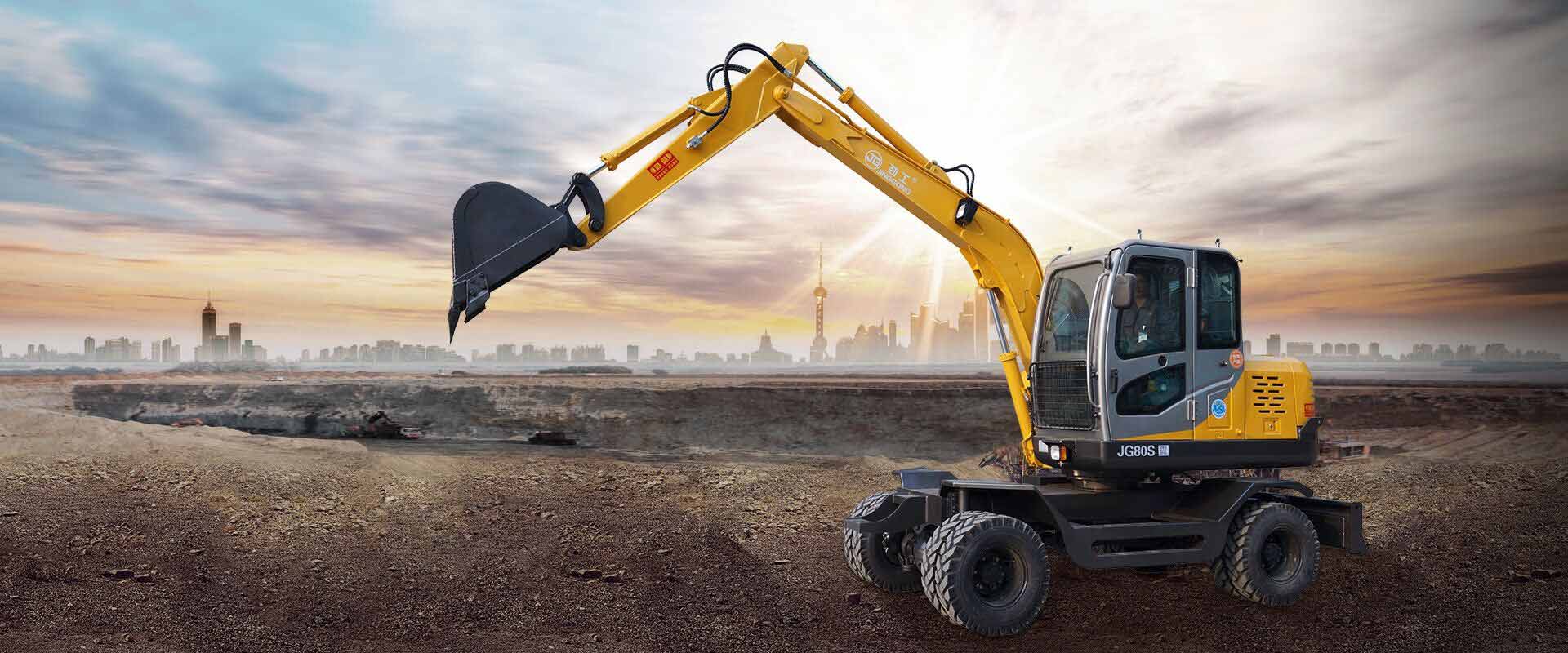
إن اختيار ملقط لمناولة المواد ليس مجرد مسألة اختيار أكبر أو أقوى ملحق.يجب أن تحدد المادة التي يتم التعامل معها تصميم الملقط أولاً.
تتميز خردة المعادن، وجذوع الأشجار، والمواد السائبة، وبالات القطن، والصخور بخصائص فيزيائية مختلفة تماماً. الملقط الذي يعمل بشكل جيد مع خردة الصلب قد يكون غير فعال للقطن، في حين أن دلو الصدفة المناسب للمواد السائبة ليس مصمماً لقطع الصلب غير المنتظمة.
بالنسبة لساحات إعادة التدوير، وعمليات الغابات، ومواقع البناء، ومقاولي مناولة المواد، يمكن أن يؤثر الملحق المناسب بشكل مباشر علىكفاءة التحميل، وفقدان المواد، والطلب الهيدروليكي، وتكلفة التشغيل.
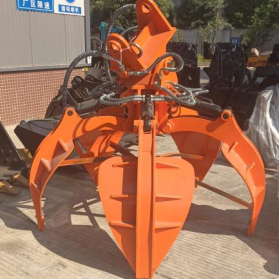
يعتبر ملقط قشر البرتقال ذو الأربعة أصابع مناسباً بشكل خاص لمواد الخردة غير المنتظمة والضخمة والمختلطة التي يصعب التعامل معها باستخدام دلو تقليدي.
تشمل التطبيقات النموذجية:
· خردة الصلب المختلطة
· هياكل الخردة
· الأنابيب المعدنية
· ألواح الصلب
· خردة الهدم
· القطع المعدنية الكبيرة غير المنتظمة
يسمح الهيكل متعدد الأصابع للملقط بالاقتراب من المادة من اتجاهات مختلفة وإمساك الأشكال غير المنتظمة بإحكام.
بالنسبة لساحات الخردة، العوامل المهمة ليست فقط سعة الملقط ولكن أيضاً:
· عرض الفتحة
· قوة الأصابع
· قوة الإغلاق
· التدفق الهيدروليكي
· وزن الملحق
· قدرة رفع الحفارة
غالباً ما يكون الملقط ذو الأربعة أصابع خياراً عملياً عندما تحتوي المادة على أشكال وأحجام مختلفة ويحتاج المشغل إلى تكرارالتقاط، ونقل، وتحميل الخردة.
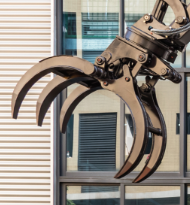
يستخدم ملقط 2+3 سنين على جانب وثلاثة على الجانب الآخر، مما يجعله مفيداً بشكل خاص عندما يكون التحكم في الإمساك والفصل أمراً مهماً.
مقارنة بالتصميم متعدد الأسنان الأكثر انغلاقاً، يمكن لتكوين 2+3 توفير رؤية ومرونة جيدتين عند التعامل مع:
· جذوع الأشجار
· مقاطع الصلب الطويلة
· الأنابيب
· المواد المجمعة
· القطع الكبيرة الفردية
· مواد البناء غير المنتظمة
بالنسبة لمناولة المواد، لا يكون الهدف دائماً هو الإمساك بأقصى كمية.
في بعض الأحيان يحتاج المشغل إلى التقاط قطعة واحدة محددة دون إزعاج المواد المحيطة.
هنا يصبح ترتيب الأسنان مهماً.
على سبيل المثال، عند التعامل مع المواد الطويلة، يحتاج الملقط إلى فتحة كافية وثبات في الإمساك لمنع انزلاق المادة أثناء الرفع والدوران.
يعتبر دلو الصدفة أكثر ملاءمة للمواد السائبة التي يمكن تجميعها حسب الحجم بدلاً من الإمساك بها بشكل فردي.
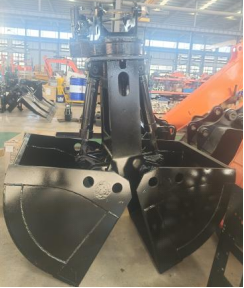
تشمل المواد النموذجية ما يلي:
· الرمل
· الحصى
· الفحم
· التربة
· الركام الصغير
· المواد الصناعية السائبة
يختلف مبدأ العمل عن ملقط قشر البرتقال.
ملقط يمسك المواد من الخارج، بينما دلو الصدفة يحيط بالمواد ويحملها داخل الدلو.
وهذا يجعل تصميم الصدفة أكثر ملاءمة عندما تكون الأولوية لـ:الحجم في كل دورة بدلاً من الإمساك بالأجسام الفردية.
عند اختيار دلو الصدفة، انتبه إلى:
· سعة الدلو
· عرض الفتحة
· كثافة المادة
· قدرة رفع الحفارة
· الضغط والتدفق الهيدروليكي
· نصف قطر العمل
قد يؤدي استخدام دلو كبير جداً بالنسبة لحفارة معينة إلى تقليل الإنتاجية الفعلية بسبب الوزن الزائد للملحق وانخفاض قدرة الرفع.
يتطلب القطن استراتيجية إمساك مختلفة تماماً لأنه خفيف الوزن وضخم وسهل التشوه.
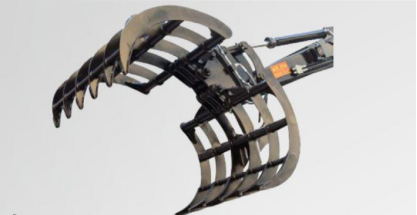
تُستخدم ماسكات القطن عادةً لـ:
· بالات القطن
· القش
· التبن
· المواد الليفية الزراعية
· مواد أخرى خفيفة الوزن ومحزومة
يحتاج الماسك إلى تثبيت المادة بإحكام دون إتلافها أو سحقها بشكل مفرط.
مقارنة بماسكة الخردة، الاعتبارات الرئيسية هي:
مساحة تلامس كبيرة + قوة إمساك محكومة + وزن منخفض للملحق.
استخدام ماسكة فولاذية للخدمة الشاقة للقطن سيكون غير فعال بشكل عام. قد يكون الملحق قوياً ميكانيكياً، لكن هندسة الإمساك الخاصة به ليست محسنة للمواد خفيفة الوزن والقابلة للضغط.
يوضح هذا مبدأً مهماً:أقوى ماسكة ليست بالضرورة الماسكة الأكثر ملاءمة.
تم تصميم ملقط الحجارة للمواد الثقيلة والصلبة وغير المنتظمة حيث تكون القوة الهيكلية العالية والاحتفاظ الآمن أكثر أهمية من حجم الفتح الكبير.
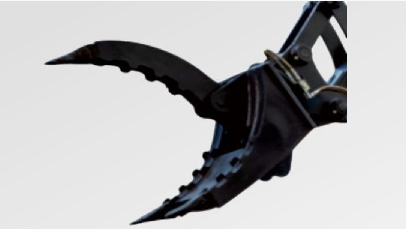
تشمل التطبيقات النموذجية ما يلي:
· الصخور الكبيرة
· الحجر الطبيعي
· مواد المحاجر
· أحجار البناء
· أحجار تنسيق الحدائق
· حطام الهدم
يؤدي التعامل مع الحجارة إلى أحمال صدمية عالية عند التقاط الصخور وتدويرها ووضعها.
لذلك، يجب أن يأخذ اختيار الملحق في الاعتبار ما يلي:
· القوة الهيكلية
· سماكة الأسنان
· تصميم المحور
· الحماية من التآكل
· استقرار الحفارة
· سعة الأسطوانة الهيدروليكية
بالنسبة للحجارة الكبيرة، فإن قدرة الرفع للحفارة عند نصف قطر العمل الفعلي مهمة بشكل خاص. قد تتمتع الآلة بقدرة رفع مقدرة كافية بالقرب من الآلة ولكن تصبح أقل قدرة بشكل ملحوظ عندما يتم تمديد ذراع الرافعة بالكامل.
أبسط طريقة لاختيار ملحق هي البدء بـ المادة، وليس الحفارة.
|
المادة |
الملحق الموصى به |
الميزة الرئيسية |
|
خردة الصلب المختلطة |
ملقط قشر البرتقال رباعي الأسنان |
قبضة قوية للمواد غير المنتظمة |
|
جذوع الأشجار / المواد الطويلة |
مخلب 2+3 |
إمساك وفصل محكم |
|
رمل / حصى / مواد سائبة |
جرافة صدفية |
مناولة ذات حجم كبير |
|
بالات القطن / القش / الألياف |
مخلب القطن |
إمساك محكم لمساحات كبيرة |
|
صخور / حجر طبيعي |
مخلب الحجارة |
قوة هيكلية عالية |
لا يوجد "مخلب مثالي" عالمي.
ساحة إعادة تدوير تتعامل مع خردة فولاذية مختلطة لديها متطلبات مختلفة عن مقاول ينقل حصى، أو شركة حراجة تتعامل مع جذوع الأشجار، أو مشغل زراعي ينقل بالات القطن.
يجب أن يتطابق الاختيار الصحيح مع أربعة عوامل:
المادة ← هندسة المخلب ← سعة الحفارة ← دورة العمل
بالنسبة لإعادة تدوير الخردة، يمكن أحياناً أن تتداخل هاتان التكوينتان، لكن خصائص عملهما مختلفة.
مخلب قشر البرتقال رباعي الأسنان:
أفضل عندما تكون الخردة مختلطة وضخمة وغير منتظمة، خاصة عندما يكون الإغلاق الآمن مهماً.
مخلب 2+3:
أفضل عندما يحتاج المشغل إلى إمساك انتقائي أكثر للقطع الفردية أو المواد الطويلة أو المواد المجمعة.
بالنسبة لساحة إعادة تدوير تعالج أنواعاً متعددة من الخردة، قد يكون من العملي أكثر استخدام مخالب مختلفة لتدفقات المواد المختلفة بدلاً من توقع أن تتعامل ملحقة واحدة مع كل شيء بكفاءة.
هذا هو السبب أيضاً في أن اختيار المعدات يجب أن يأخذ في الاعتبار التدفق الفعلي للمواد في الساحة:
الفرز ← الإمساك ← التحميل ← النقل ← التخزين
المخلب هو جزء واحد فقط من دورة المناولة بأكملها.
قبل الشراء، يجب على المشتري تقديم ما لا يقل عن:
1. وزن تشغيل الحفارة
2. التدفق الهيدروليكي وضغط العمل
3. أقصى قدرة رفع عند نصف قطر العمل
4. نوع المادة ومتوسط الوزن
5. أقصى أبعاد للمادة
6. عرض الفتحة المطلوب
7. تكرار العمل المتوقع
8. ما إذا كان الدوران مطلوباً
بالنسبة لساحات الخردة على وجه الخصوص، من المهم أيضاً مراعاة ما إذا كانت الملحقات ستعمل بشكل مستمر لعدة ساعات يومياً. فقد لا تكون الكلاّبة المصممة للمناولة العرضية مناسبة للتشغيل الصناعي عالي التكرار.
يتم تحديد الكلاّبة المناسبة بناءً على المادة وطريقة العمل، وليس ببساطة بناءً على حجم الحفارة.
بالنسبة لخردة الفولاذ المختلطة، توفر كلاّبة قشر البرتقال ذات الأربعة أصابع إمساكاً محكماً وتحكماً جيداً في المواد غير المنتظمة.
بالنسبة للجذوع والأنابيب والمواد الطويلة، يمكن أن توفر كلاّبة 2+3 مناولة أكثر انتقائية.
بالنسبة للمواد السائبة، تكون الدلو الصدفي أكثر ملاءمة.
بالنسبة للقطن وغيره من المواد خفيفة الوزن القابلة للضغط، يجب أن تعطي كلاّبة القطن الأولوية لمساحة التلامس والإمساك المحكم.
بالنسبة للصخور والمواد الثقيلة غير المنتظمة، تتطلب كلاّبة الحجارة قوة هيكلية أكبر وثباتاً أعلى للحفارة.
في مناولة المواد الاحترافية، الهدف ليس العثور على أقوى ملحق.الهدف هو مطابقة الملحق مع المادة، بحيث تنقل كل دورة عمل الكمية المناسبة من المواد بأقل قدر من القوة غير الضرورية ووقت المناولة.
ما هي الكلاّبة الأفضل لخردة المعادن؟
بالنسبة لخردة الفولاذ المختلطة وغير المنتظمة، عادة ما تكون كلاّبة قشر البرتقال ذات الأربعة أصابع مناسبة. أما بالنسبة للمواد الطويلة أو التي يتم مناولتها بشكل انتقائي، فقد تكون كلاّبة 2+3 أكثر ملاءمة.
هل يمكن لكلاّبة واحدة التعامل مع جميع أنواع المواد؟
يمكن ذلك، ولكن من المحتمل حدوث تنازلات في كفاءة الإمساك. تتطلب الأشكال والأوزان والخصائص الفيزيائية المختلفة للمواد هندسات كلاّبات مختلفة.
ما الفرق بين خطاف قشور البرتقال ودلو المحار؟
يقوم خطاف قشور البرتقال بإمساك الأجسام غير المنتظمة باستخدام أسنان، بينما يقوم دلو المحار باحتواء ونقل المواد السائبة.
ما هو استخدام الخطاف 2+3؟
إنه مفيد بشكل خاص للتعامل المتحكم فيه مع الجذوع والأنابيب والأقسام الفولاذية الطويلة وغيرها من المواد التي يكون فيها الإمساك الانتقائي مهماً.
كيف أختار الخطاف الصحيح لحفارتي؟
تحقق من وزن تشغيل الحفارة، وتدفق الهيدروليك، وضغط الهيدروليك، وقدرة الرفع عند نصف قطر العمل، ووزن الملحق، ونوع وأبعاد المواد التي يتم التعامل معها.
No. 88 Pancuo, Jiaonan Village, HeShi Town, Luojiang District, Quanzhou, Fujian, China
هاتف : +8618805957336
WhatsApp : +8618805957336
البريد الإلكتروني : winny@fjjgjx.com
 شبكة ipv6 المدعومة
 مسح ل wechat :
 هاتف : +8618805957336
 البريد الإلكتروني : winny@fjjgjx.com


 خريطة الموقع