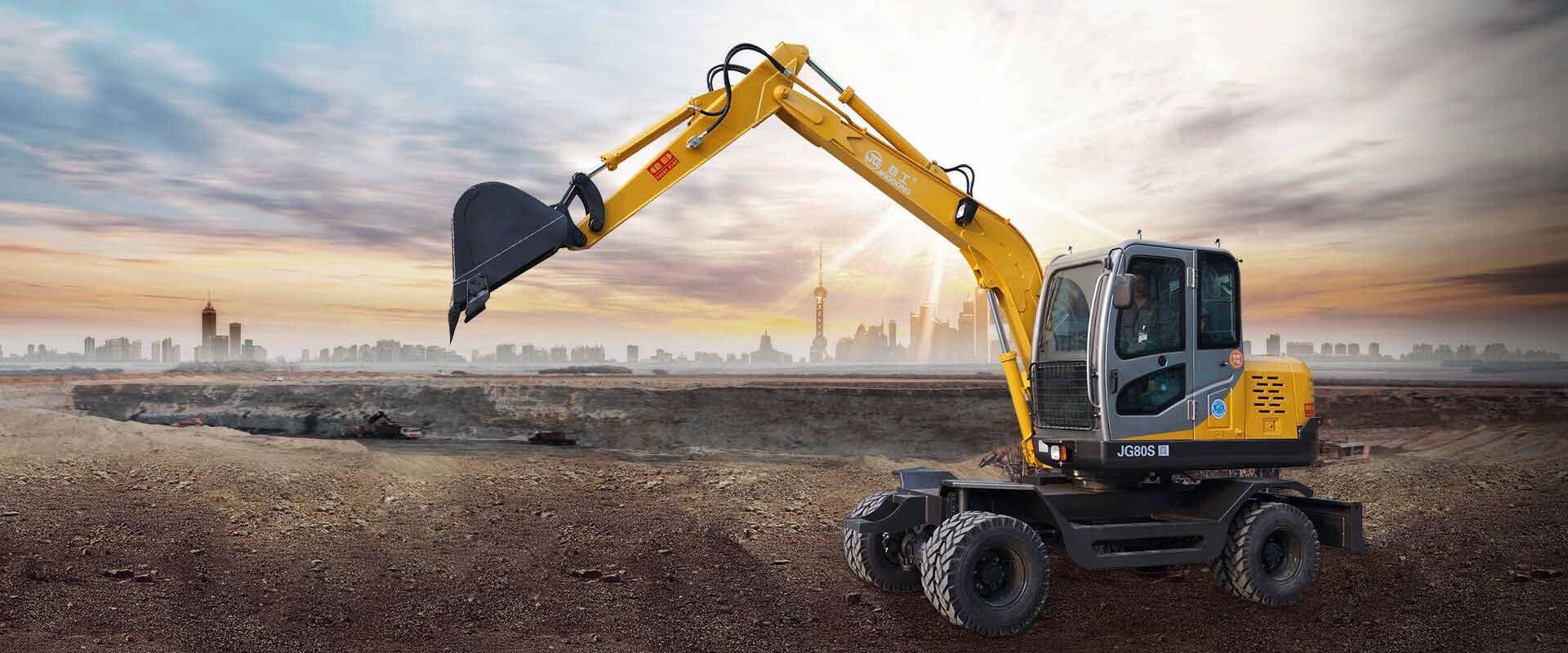
Choosing the right excavator grapple depends on the material you handle, the working environment, and your excavator’s hydraulic capacity. The correct attachment can improve handling efficiency, reduce material loss, and support safer operation.
Different materials require different grapple designs. Here are the most common options.
Designed for handling scrap metal, steel waste, and irregular bulk materials. Its multiple curved tines help collect loose materials efficiently in scrap yards and recycling facilities.
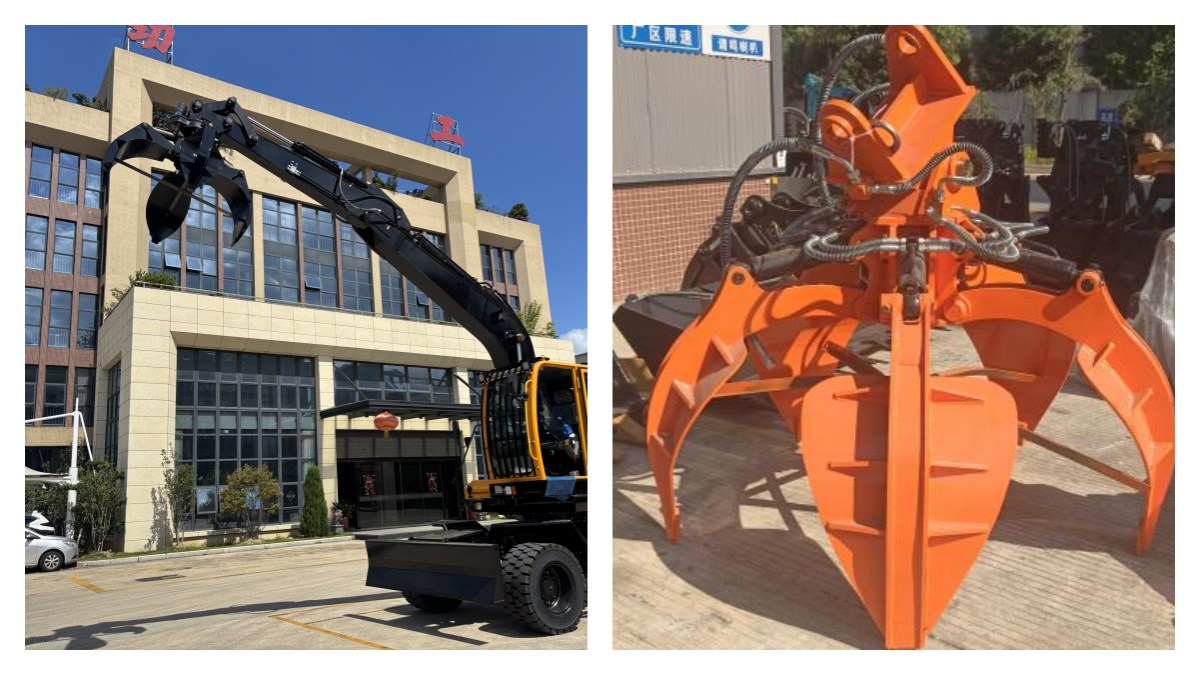
Suitable for sorting and loading concrete pieces, wood, and mixed demolition debris. Its precise movement makes it useful for demolition sites and material recycling.
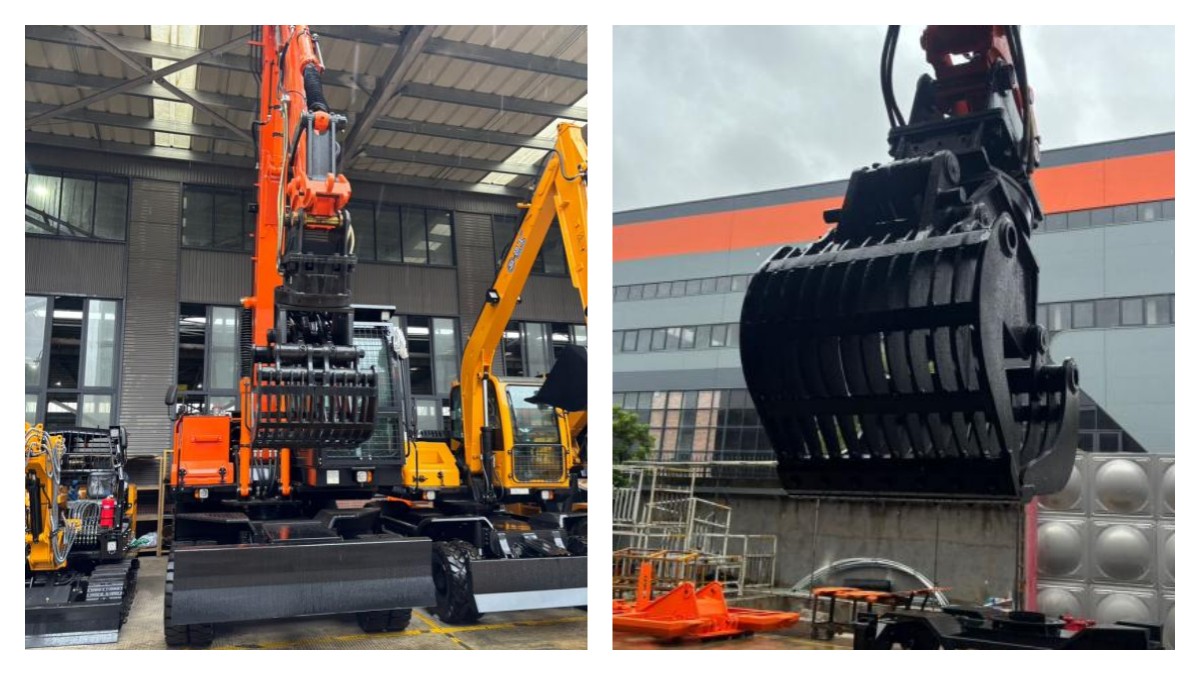
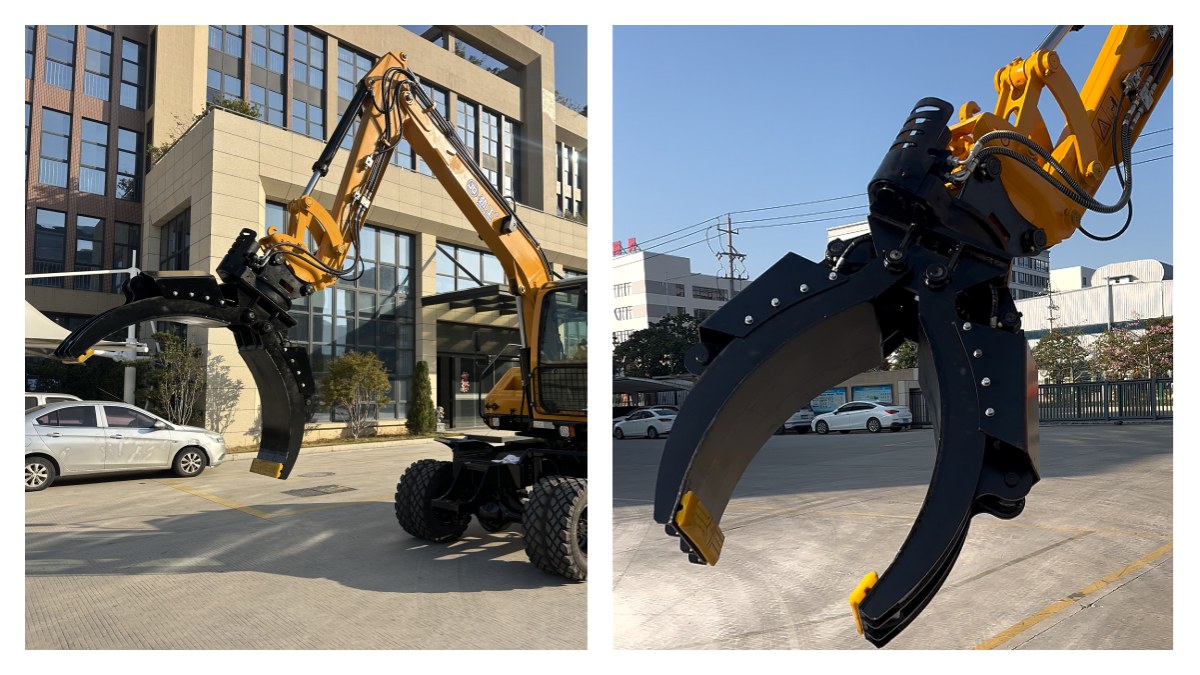
Designed for gripping and transporting logs, branches, and timber. It is commonly used in forestry, timber yards, and wood-processing operations.
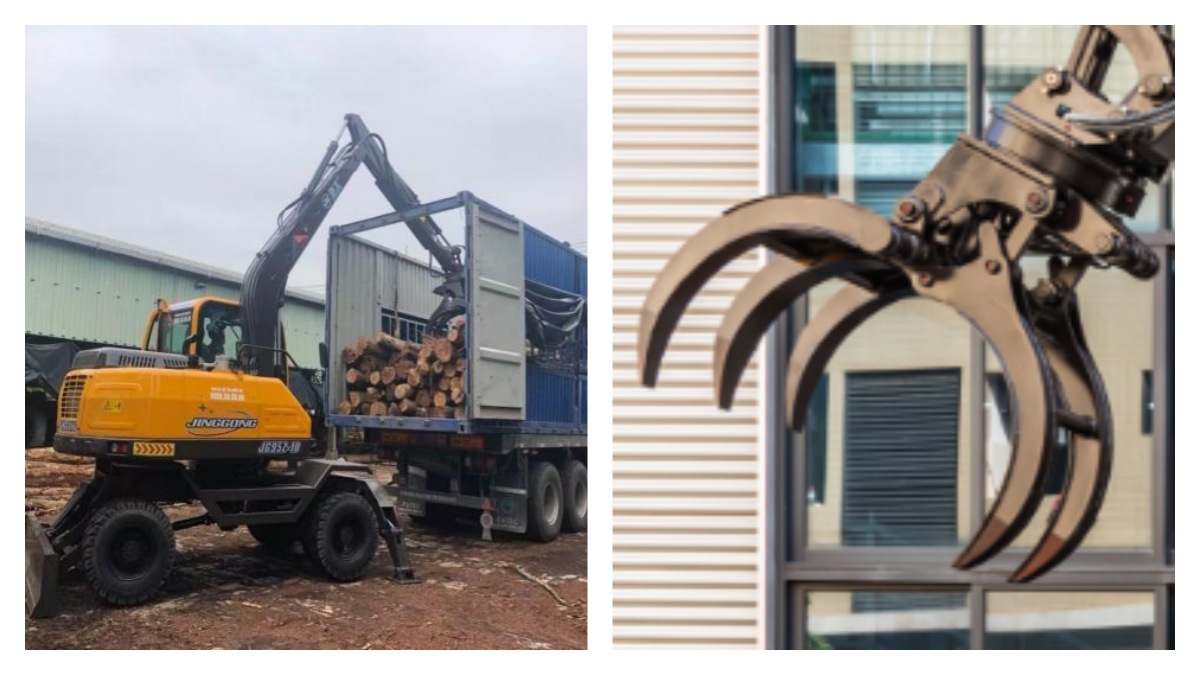
Suitable for handling sand, gravel, soil, and other loose materials, depending on the grab design. It is often used in ports, stockyards, and bulk-material handling operations.
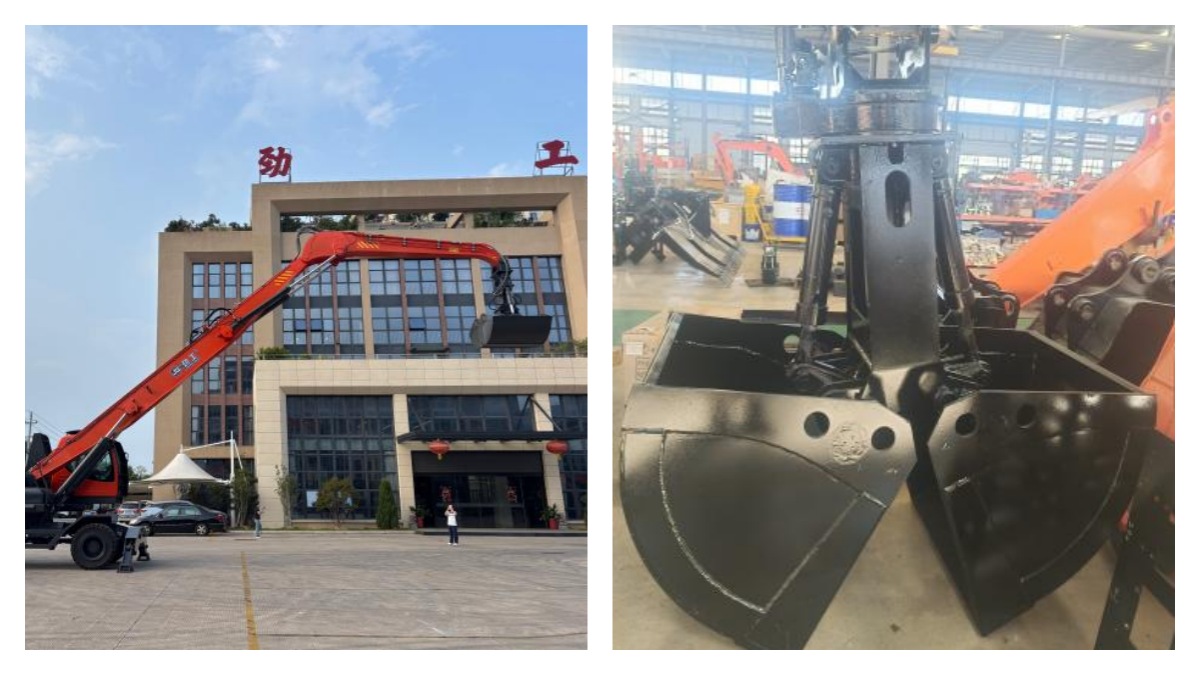
Built for demanding material-handling applications involving rocks and other heavy, irregular objects. The grapple must be matched to the excavator’s lifting capacity and operating conditions.
|
Material |
|
Typical Application |
||
|
Scrap metal |
Orange peel grapple |
Scrap yards and recycling |
||
|
Construction waste |
Sorting grapple |
Demolition and waste sorting |
||
|
Logs and timber |
Log grapple |
Forestry and timber handling |
||
|
Sand and gravel |
Clamshell grab |
Ports and bulk-material handling |
||
|
Rocks and heavy irregular materials |
Heavy-duty grapple |
Quarry and material handling |
The best choice depends not only on the material but also on its weight, size, and working conditions.
Before selecting an excavator grapple, confirm these key specifications:
Choosing an unsuitable grapple may reduce efficiency and place unnecessary stress on the machine.
Q1: Can one excavator grapple handle different materials?
Some grapples can handle multiple material types, but no single design is ideal for every application. Select the attachment based on your main material and working conditions.
Q2: How do I choose the right grapple size?
Consider the excavator model, material weight, required opening width, and hydraulic specifications. Confirm these details with the supplier before ordering.
Q3: What information is needed for a quotation?
Provide your excavator model, the material to be handled, the required grapple type, and your destination country. Photos or videos of the working conditions can also help.
Selecting the right excavator grapple starts with understanding the material you need to handle. Matching the grapple design, size, and hydraulic requirements to your excavator helps improve efficiency and operating safety.
Jingong provides excavator and material-handling equipment solutions for different working conditions. Contact our team with your machine model and application details to discuss a suitable configuration.
No. 88 Pancuo, Jiaonan Village, HeShi Town, Luojiang District, Quanzhou, Fujian, China
هاتف : +8618805957336
WhatsApp : +8618805957336
البريد الإلكتروني : winny@fjjgjx.com
 شبكة ipv6 المدعومة
مسح ل wechat :

 هاتف : +8618805957336
 البريد الإلكتروني : winny@fjjgjx.com


 خريطة الموقع