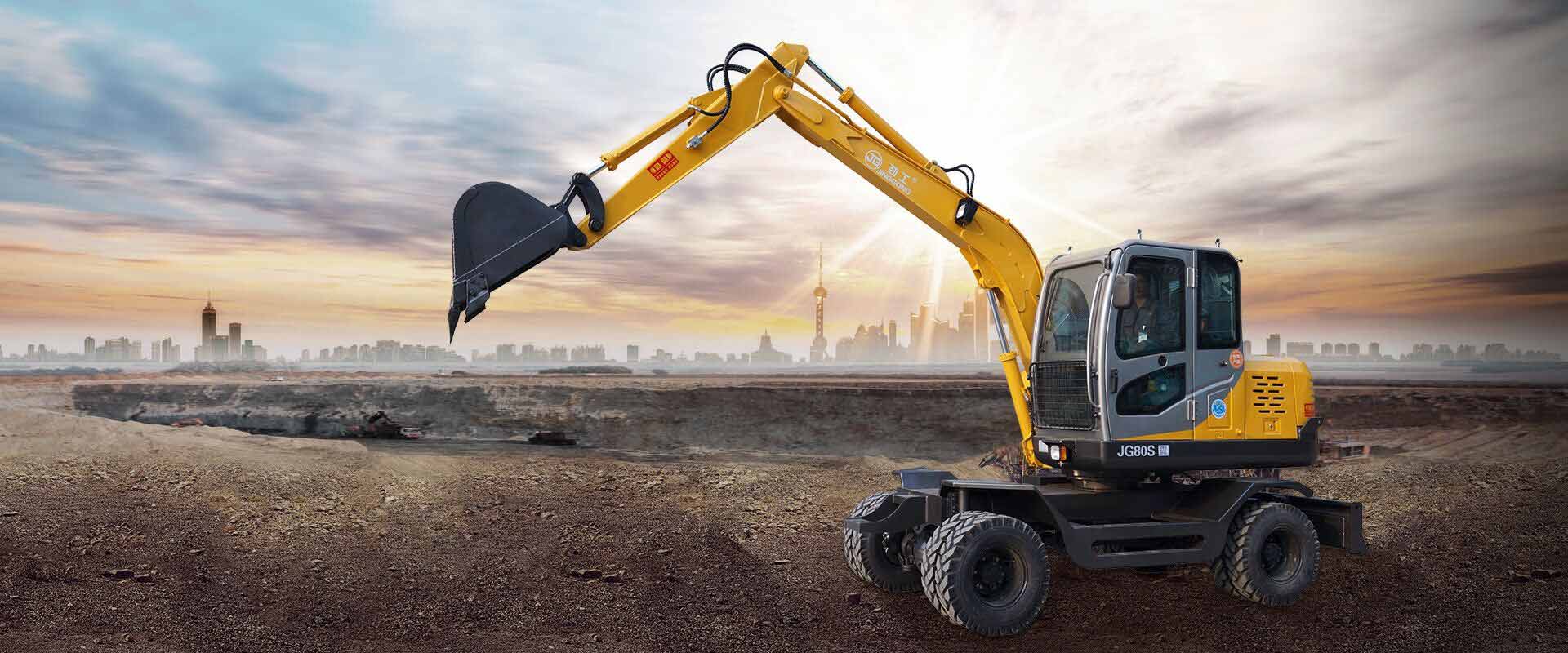
دليل عملية بسيط للحفارات المستوردة
بصفتك صانع قرار أو مدير مشتريات لمشاريع هندسية دولية، قد تفكر في استيراد حفارات من الصين لترشيد تكاليف المعدات وتحسين كفاءة البناء. مع ذلك، قد تبدو عملية الاستيراد معقدة، إذ غالبًا ما تُثني الاختلافات التنظيمية والمخاطر اللوجستية وعوائق التواصل المشترين. لا تقلق، فهذه المقالة تهدف إلى تزويدك بدليل عملي واضح يُسهّل عليك إتمام العملية برمتها. نحن نتفهم احتياجاتك الأساسية: ضمان تسليم المعدات بأمان وفي الوقت المحدد، مع التحكم في التكاليف والمخاطر. من خلال تبسيط الخطوات والتأكيد على سهولة التعامل مع الموردين الصينيين، ستجد أن استيراد الحفارات ليس بالأمر الصعب، بل هو خيار ذكي لبدء مشاريع فعّالة. سواء كنت مستوردًا لأول مرة أو مشتريًا خبيرًا، سيساعدك هذا الدليل على اتخاذ قرارات واثقة من وجهة نظرك، إذ يُغطي العملية برمتها من الاختيار إلى خدمات ما بعد البيع.
الخطوة الأولى: البحث الأولي واختيار الموردين - وضع الأساس للنجاح
تتمثل الخطوة الأولى لاستيراد الحفارات في إجراء بحث معمق واختيار موردين موثوقين، وهو ما يرتبط ارتباطًا مباشرًا بسلاسة العملية اللاحقة وجودة المعدات. بصفتك مشتريًا، يجب أن تبدأ بمتطلباتك الخاصة: تقييم حجم المشروع، وقيود الميزانية، ونوع الحفارة (مثل الحفارة الصغيرة ذات العجلات أو الحفارة الكبيرة المجنزرة). في الوقت نفسه، من الضروري دراسة خلفية المورد بعمق. يوجد في الصين عدد كبير من مصنعي آلات البناء، والعديد منهم حاصل على شهادات دولية (مثل معايير ISO 9001 أو CE أو EPA)، ولكن عليك التحقق شخصيًا من سجلات التصدير، وآراء العملاء، ووثائق مراقبة الجودة. من الناحية العملية، يُنصح بزيارة مواقع البائعين الإلكترونية أو منصات مستقلة تابعة لجهات خارجية (مثل Alibaba) للاطلاع على حالات فعلية وتقارير اختبار لتجنب الوقوع ضحية للدعاية المبالغ فيها. فيما يتعلق بالتكلفة، لا ينبغي عليك مقارنة العروض فقط، بل يجب عليك أيضًا مراعاة التكلفة الإجمالية للملكية، والتي تشمل الشحن والرسوم الجمركية وتكاليف الصيانة المحتملة. أما فيما يخص اللوائح، فلكل دولة (مثل أوروبا والولايات المتحدة وجنوب شرق آسيا) متطلبات محددة للمعدات المستوردة، مثل معايير الانبعاثات أو شهادات السلامة. إن فهم هذه الأمور مسبقًا يُجنّبك تأخيرات التخليص الجمركي. نوصي بإعطاء الأولوية للموردين الذين يقدمون خدمات مُخصصة تُتيح تعديل الإعدادات لتناسب ظروف التشغيل لديك، كالمناخات الاستوائية أو البيئات المتربة، لضمان جاهزية المعدات فور إخراجها من الصندوق. وأخيرًا، يُعد بناء الثقة المبدئية عبر مؤتمرات الفيديو أو زيارات المصنع خطوةً تستغرق وقتًا، لكنها تُمهّد الطريق للمفاوضات والتعاونات اللاحقة، مما يُقلل من المخاطر المُحتملة.
الخطوة الثانية: التفاوض التجاري وتوقيع العقد - حماية مصالحك الأساسية
عند دخول مرحلة التفاوض، يجب التركيز على حماية حقوقك ومصالحك وضمان وضوح بنود العقد وقابليتها للتنفيذ. جوهر التفاوض هو تحقيق التوازن بين السعر والتسليم والجودة: فمن منظور التكلفة، عند التفاوض مع الموردين الصينيين، يمكننا استخدام طلبات الشراء بالجملة أو التعاون طويل الأمد مقابل خصومات، ولكن يجب الحذر من الأسعار المنخفضة جدًا فقد تخفي عيوبًا في الجودة. في الوقت نفسه، من الضروري تحديد شروط تسليم واضحة (مثل تسليم ميناء شنغهاي على ظهر السفينة أو تسليم ميناء الوصول على ظهر السفينة)، مما يحدد مخاطر الخدمات اللوجستية وتقاسم التكاليف. على سبيل المثال، يتيح اختيار شروط التسليم على ظهر السفينة للمورد إدارة الشحن والتأمين، مما يخفف العبء عنك. طريقة الدفع عنصر أساسي آخر: يُنصح باستخدام خطاب الاعتماد أو الدفع بالتقسيط لتجنب مخاطر الدفع، حيث يضمن خطاب الاعتماد أمان الدفع عند الاستلام من خلال ضمان بنكي. يجب أن يتضمن العقد مواصفات تفصيلية للمعدات، ومؤشرات الأداء (مثل قوة الحفر واستهلاك الوقود)، وجداول التسليم، والمسؤولية عن الإخلال بالعقد. بنود ضمان الجودة مهمة للغاية، حيث تلزم الموردين بتقديم ضمان لمدة سنة إلى سنتين على الأقل وتقارير فحص من طرف ثالث. من منظور التعاون، يُعدّ التواصل الفعّال بشأن تفاصيل خدمات ما بعد البيع (مثل الدعم عن بُعد أو التدريب في الموقع) مؤشراً على موثوقية المورّد. في حال نشوء خلافات أثناء المفاوضات (مثل غرامات التأخير في التسليم)، يُنصح بتوثيقها كتابياً بشكل مرن ومتسق، والاستعانة بالجمعيات التجارية أو المستشارين القانونيين عند الضرورة. إنّ العقد المُحكم ليس ضماناً قانونياً فحسب، بل هو أيضاً شراكة طويلة الأمد تُمكّنك من المضيّ قدماً في مشروعك براحة بال.
الخطوة الثالثة: الترتيبات اللوجستية وإعدادات الاستيراد - بادر بالنقل
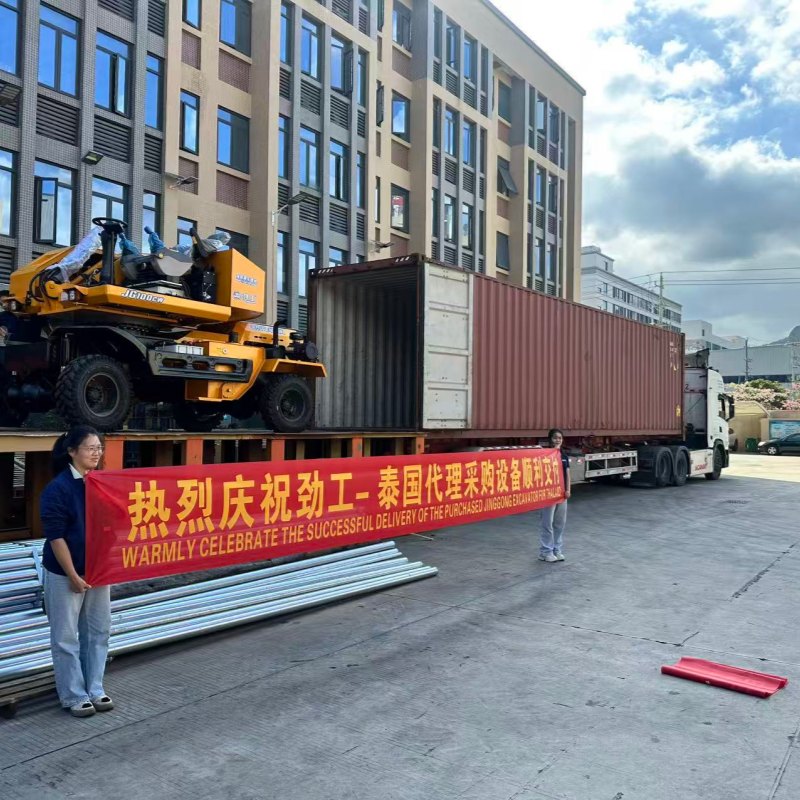
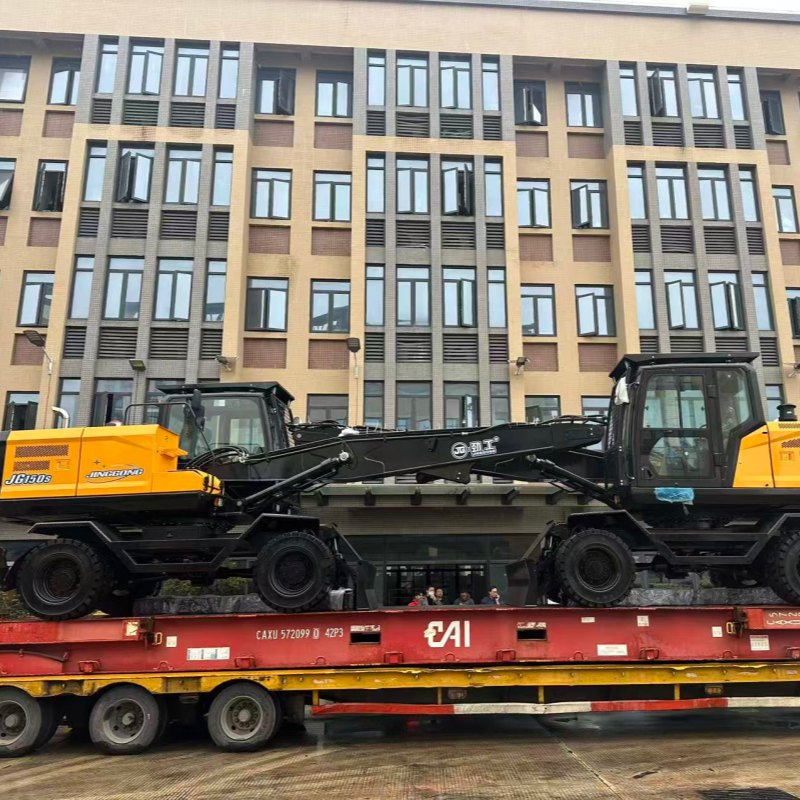
بمجرد توقيع العقد، تتولى قيادة أو المشاركة في عملية الخدمات اللوجستية، وهي الخطوة الأساسية لضمان وصول المعدات في الوقت المحدد. أولاً، تأكد من نطاق مسؤوليتك وفقًا لشروط العقد (مثل FOB أو CIF): إذا اخترت FOB، فعليك اختيار مزود الخدمات اللوجستية الخاص بك وترتيب النقل البحري. في هذه الحالة، قارن عروض الأسعار والجداول الزمنية لعدة شركات نقل (مثل ميرسك أو كوسكو)، واحرص على اختيار شريك ذي خبرة في المعدات الهندسية لتجنب تلف المعدات أثناء النقل. من منظور التحكم في التكاليف، يُنصح بحجز مساحة مسبقًا والحصول على تأمين شامل ضد جميع المخاطر، وهو تأمين بسيط ولكنه يغطي الخسائر غير المتوقعة. لإعداد الاستيراد، يجب عليك جمع المستندات الرئيسية قبل الشحن: الفواتير التجارية، قوائم التعبئة، بوالص الشحن، شهادات المنشأ (مثل النموذج A أو COO)، شهادات المنتج، ووثائق الاعتماد من الموردين. يجب أن تتوافق هذه المستندات مع لوائح بلد المقصد (مثل شهادة وكالة حماية البيئة في الولايات المتحدة وعلامة CE في الاتحاد الأوروبي). يُنصح باستشارة وكيل التخليص الجمركي المحلي أو الموقع الإلكتروني الرسمي للجمارك مسبقًا لتجنب احتجاز البضائع بسبب نقص المستندات. أما فيما يتعلق بإدارة الوقت، فإن تتبع حالة البضائع (عبر نظام تتبع الخدمات اللوجستية) ومشاركة التحديثات مع الموردين في الوقت المناسب يُسهم في تقليل فجوات التواصل. ومن الجوانب التي غالبًا ما يتم إغفالها مراعاة الموسمية: فتجنب موسم الأعاصير أو ازدحام الموانئ، على سبيل المثال، يوفر الوقت والتكاليف الإضافية. ومع التخطيط الدقيق، لا تُحسّن هذه الخطوة ميزانيتك فحسب، بل تُظهر أيضًا كفاءةً عالية في إدارة العمليات.
الخطوة الرابعة: إجراءات التخليص الجمركي واستلام الشحنة - ضمان دخول سلس
عند وصول الحفارة إلى ميناء الوصول، تُعدّ مراحل التخليص الجمركي والاستلام من أكثر المراحل التي تتطلب الصبر، ولكن التحضير المسبق يُسهّل العملية ويجعلها أكثر كفاءة. يجب عليك أو على وكيل التخليص الجمركي الخاص بك الإعلان عن الاستيراد للجمارك المحلية، ويتمثل جوهر ذلك في تقديم مجموعة كاملة من المستندات (بوليصة الشحن، الفاتورة، قائمة التعبئة، إلخ)، ودفع الضرائب ذات الصلة (مثل رسوم الاستيراد، وضريبة القيمة المضافة). أما بالنسبة للتكلفة، فتختلف معدلات الضرائب من بلد إلى آخر (على سبيل المثال، تُقدم بعض الدول النامية معدلات ضريبية تفضيلية لمعدات البناء)، ويُنصح بالتقدم بطلب للحصول على إعفاءات بموجب اتفاقيات التجارة الحرة (مثل اتفاقية الشراكة الاقتصادية الإقليمية الشاملة RCEP). يُعدّ الالتزام باللوائح أمرًا بالغ الأهمية: تأكد من أن المعدات تُطابق المعايير المحلية (مثل حدود الضوضاء أو ملصقات السلامة) وجدول فحصًا مسبقًا عند الضرورة لتجنب أي تأخير في تفريغها. عند استلام البضائع، يتم إجراء الفحص الأولي في الموقع: التحقق من رقم المعدات، وفحص أي تلف ظاهري (مقارنةً بصورة الشحنة)، وإجراء اختبارات بسيطة (مثل تشغيل المحرك). في حال اكتشاف أي اختلاف (مثل نقص في أحد الأجزاء)، يُرجى التواصل فورًا مع المورّد وتقديم الأدلة اللازمة لبدء إجراءات المطالبة التعاقدية. من منظور إدارة المخاطر، يُنصح بشراء تأمين محلي قبل التخليص الجمركي لتغطية مخاطر النقل من الميناء إلى موقع العمل. عمليًا، يتجاهل العديد من المشترين بعض العوامل الثقافية (مثل آداب التعامل مع موظفي الجمارك)، لذا نشجع على التحلي باللباقة والمهنية لتسريع الإجراءات. باتباع هذه الخطوة بدقة، يُمكنكم تقليل التأخيرات المحتملة والبدء بالعمل بسرعة.
الخطوة 5: استلام المعدات وخدمة ما بعد البيع - ضمان القيمة على المدى الطويل
لا يُمثل تسليم المعدات نهاية المطاف، بل بداية جديدة للتعاون. تتطلب خطوة الاستلام اختبار أداء الحفارة بشكل كامل: تشغيلها لعدة ساعات في بيئة العمل، والتحقق من توافق المعايير (مثل عمق الحفر واستهلاك الوقود) مع بنود العقد، ثم توقيع تقرير الاستلام. في حال وجود أي مشاكل، يُرجى إبلاغ المورد فورًا لتفعيل خدمة الضمان. تُعد خدمة ما بعد البيع أساسية لتقييم قيمة المورد: غالبًا ما يُوفر الموردون الصينيون المتميزون شبكة دعم عالمية، تشمل التشخيص عن بُعد، والتدريب في الموقع، وتوفير قطع الغيار. من منظور كفاءة مشروعك، يُمكن لجدول صيانة دوري (مثل كل 500 ساعة) إطالة عمر المعدات وخفض التكاليف. يُحقق بناء علاقة طويلة الأمد فوائد إضافية عديدة: على سبيل المثال، قد تحصل على ترقيات مُخصصة أو أولوية في التوريد بناءً على اقتراحات التحسين، مثل تحسين الأداء بما يتناسب مع ظروف التشغيل المحلية. أخيرًا، لا يُعزز تبادل الخبرات (مثلًا في سجلات المشاريع أو منتديات الصناعة) التعاون فحسب، بل يُساعد أيضًا المشترين الآخرين على تسريع عملية التعلم. تذكر أن اختيار مورد يقدر خدمات ما بعد البيع يمكن أن يجعل الحفارات المستوردة استثمارًا مستدامًا بدلاً من كونها معاملة لمرة واحدة.
الخلاصة: تبنّى البساطة وحقّق نتائج مربحة للجميع
قد تبدو عملية استيراد الحفارات معقدة، لكنها في جوهرها عملية يمكن التنبؤ بها والتحكم بها من وجهة نظر المشترين. فمن خلال البحث الدقيق، وحماية العقود، والتعاون اللوجستي، وإعداد التخليص الجمركي، والتواصل مع مزودي الخدمات، يمكنك الحصول على معدات فعالة من حيث التكلفة. وباعتبار الصين مركزًا عالميًا للتصنيع، فإن مورديها يتمتعون بمستوى عالمي من الجودة والخدمة. لذا، فإن اختيار شريك موثوق، كمصدر يقدم دعمًا شاملاً، يُخفف عنك الكثير من الأعباء. نشجعك على التواصل الفعال، واستخدام الأدوات الرقمية (مثل تطبيقات التتبع)، واتباع هذا الدليل خطوة بخطوة. إذا كنت جديدًا في هذا المجال، يُنصح بتجربة الطلبات الصغيرة والمتوسطة لاكتساب الخبرة. في النهاية، لا تُقلل الحفارات المستوردة من تكاليف الشراء فحسب، بل تُسرّع أيضًا من وتيرة المشروع - وهو طريق ذكي للنجاح. سيساعدك هذا الدليل على خوض غمار السوق العالمية بثقة. وفي حال وجود أي استفسار، لا تتردد في استشارة وكيل متخصص أو فريق المورد الخاص بك.
No. 88 Pancuo, Jiaonan Village, HeShi Town, Luojiang District, Quanzhou, Fujian, China
هاتف : +8618805957336
WhatsApp : +8618805957336
البريد الإلكتروني : winny@fjjgjx.com
 شبكة ipv6 المدعومة
 مسح ل wechat :

 هاتف : +8618805957336
 البريد الإلكتروني : winny@fjjgjx.com


 خريطة الموقع